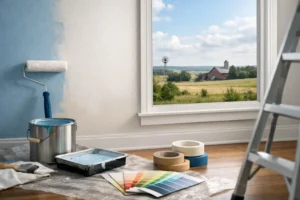
A vacant unit can lose value by the day. When walls are scuffed, patchwork shows through old touch-ups, or trim looks tired, prospective tenants notice before they ever ask about square footage. This guide to painting rental units helps property managers make smarter decisions about scope, timing, materials, and workmanship so each home is ready to show with fewer surprises.
The goal is not simply to put fresh paint on every wall. A successful rental repaint creates a clean, consistent, durable space while protecting your turnover schedule and budget. That requires a plan that starts before the crew opens a can of paint.
A Guide to Painting Rental Units Starts Before Paint
The best time to make painting decisions is during the move-out inspection. Walk the unit in good light and document the condition of walls, ceilings, doors, trim, cabinets, and any exterior surfaces included in the turn. Photos and clear notes make it easier to distinguish normal wear from damage, estimate the work accurately, and avoid disagreements later.
Look beyond obvious stains and nail holes. Check for peeling paint around windows, moisture marks on ceilings, cracked caulk in bathrooms, damaged drywall corners, grease buildup near kitchens, and worn paint behind doors. Paint will improve appearance, but it cannot correct an active leak, loose drywall tape, or failing surface. Those issues need repair before painting begins.
A full repaint is not necessary after every tenancy. If the same color was used throughout, the paint is still in good condition, and there are only a few isolated marks, professional touch-ups may be the most cost-conscious option. However, touch-ups can flash, meaning the repaired area reflects light differently from the surrounding wall. When paint has faded, the original product is unknown, or damage appears across multiple walls, repainting the room often produces the better result.
Decide What Needs a Full Repaint
Prioritize the surfaces tenants see and use every day. Living rooms, hallways, entry areas, kitchens, bathrooms, bedrooms, doors, and baseboards usually have the greatest impact on a unit’s overall appearance. A clean ceiling and crisp trim can make even a modest apartment feel more cared for.
For an occupied property, it may make sense to paint only the areas with visible wear between leases. For a unit that has had several patch repairs, color changes, smoking exposure, or heavy pet wear, a full interior repaint may save money over repeated small fixes. It depends on the condition of the unit, the expected rental rate, and how quickly you need to place the next tenant.
Ceilings deserve separate consideration. They may not need repainting during every turn, but water stains, smoke residue, cobweb buildup, and discoloration near vents can undermine an otherwise fresh repaint. Stains should be sealed correctly before the finish coat goes on. Painting over them without the right prep often leads to bleed-through.
Standardize Colors and Sheens Across Your Property
A consistent paint system is one of the most practical ways to simplify future turns. Keep a written record of approved wall, ceiling, trim, door, and cabinet colors, including brand, product line, sheen, and formula. Store it where maintenance teams and painting contractors can access it easily.
Neutral wall colors remain a strong choice for rental units because they appeal to more prospective tenants and make rooms feel brighter. The right neutral is not always plain white. Soft warm whites, light greiges, and balanced beige tones can hide minor wear better while still providing a clean backdrop for furniture and décor.
Sheen matters as much as color. Flat finishes can conceal minor wall imperfections, but they are harder to clean and can be difficult to touch up without flashing. Eggshell or satin often offers a better balance for living areas and bedrooms, while satin or semi-gloss can be a practical choice for trim, doors, kitchens, and bathrooms. Higher sheens are more washable, but they also reveal poor patchwork and surface flaws. Good preparation is what makes a durable finish look polished.
Build Painting Into the Turnover Schedule
Painting should be coordinated with cleaning, repairs, flooring, appliance work, and inspections instead of treated as the last task on the list. Schedule conflicts are a common reason turns run late. For example, painters should not be asked to finish walls while other crews are still cutting drywall, replacing carpet, or moving materials through freshly painted rooms.
A dependable sequence keeps work moving:
- Complete maintenance repairs, leak corrections, drywall patches, and surface cleaning first.
- Finish major dust-producing work before final paint preparation begins.
- Paint ceilings, walls, trim, doors, and repairs in an organized order.
- Allow appropriate drying and curing time before deep cleaning, reinstalling hardware, or moving in new tenants.
- Conduct a final walkthrough under normal room lighting before the unit is listed or shown.
If the property is occupied, scheduling becomes even more important. Residents need clear notice, crews need reliable access, and work areas should be contained and cleaned daily. A professional contractor can phase work by room or building section to limit disruption, but occupied painting may take longer than a vacant turn. Rushing it usually creates more inconvenience for tenants and more correction work for management.
Preparation Protects the Finish and the Budget
The quality of a repaint is decided largely by what happens before the topcoat. Walls should be cleaned where needed, especially around switches, kitchen areas, bathrooms, and high-touch locations. Holes, dents, cracks, and damaged corners should be patched, sanded, and primed so repairs do not stand out after painting.
Door frames, baseboards, and trim often need more attention than owners expect. These surfaces take repeated impact from furniture, vacuums, shoes, and moving boxes. Caulking small gaps, sanding rough spots, and addressing chipped paint helps create the clean lines that make a unit feel professionally maintained.
Do not skip stain-blocking primer when conditions call for it. Smoke, water marks, grease, ink, and certain tannin stains can work their way through ordinary paint. Using the correct primer may add a step, but it can prevent costly callbacks and protect the final appearance.
Choose Paint for Real Rental Use
The least expensive paint is not always the most economical paint. Low-quality coatings can require extra coats, show scuffs sooner, and make touch-ups harder. A durable, washable interior paint may cost more upfront but can reduce labor and material costs across future turns.
The right product also depends on the room. Bathrooms and laundry areas need finishes that stand up to humidity. Kitchens need coatings that tolerate routine cleaning. Hallways and common areas need strong scuff resistance. Exterior surfaces require products suited to the material and Kansas weather conditions, including changing temperatures, moisture, and sun exposure.
Ask for a clear estimate that identifies the surfaces being painted, the repair work included, the coating system, and the expected schedule. A vague price can look attractive until extra repairs, primer, additional coats, or access challenges appear later. Clear scope protects both the property manager and the contractor.
Know When Professional Painting Adds Value
Maintenance teams can handle small touch-ups when they have the right products, color records, and time. Larger turns, multi-unit projects, high-visibility vacancies, and units with significant wall repair often benefit from a professional painting crew. Consistent workmanship, proper preparation, clean job sites, and dependable completion dates matter when leasing staff is trying to show homes quickly.
For apartment communities, a contractor with multifamily experience can also help create a repeatable process. That might include standardized colors, unit-by-unit scopes, phased scheduling, and final inspections before each unit is released. The result is better visibility into costs and fewer last-minute decisions during busy turnover periods.
Royal Painting works with property managers in Topeka and surrounding areas to complete tenant-ready painting with careful preparation, clear estimates, and respect for active property schedules. Whether a unit needs selective touch-ups or a full refresh, the right scope should support the condition of the home and the pace of your leasing calendar.
Before marketing the unit, do one final walkthrough from a prospective tenant’s point of view. Turn on the lights, open the blinds, stand at each doorway, and look for missed patches, uneven cut lines, paint on hardware, or surfaces that still need cleaning. That final attention is often what turns a completed paint job into a home that feels ready for its next resident.