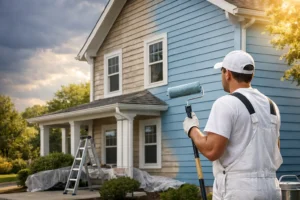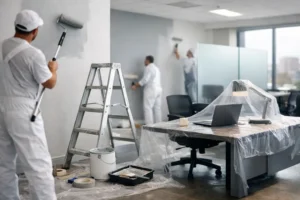
A faded storefront, scuffed hallway, or worn office walls can quietly change how customers, tenants, and employees view your property. This commercial painting guide explains how to plan a professional project that improves appearance, protects surfaces, and keeps interruptions to a minimum.
Commercial painting is not simply a larger version of painting a room at home. Business spaces have operating hours, safety requirements, traffic patterns, multiple surface types, and a greater need for reliable scheduling. The right preparation helps you receive a clear estimate, avoid unnecessary delays, and get a finish that holds up under daily use.
Start With the Business Need, Not Just the Color
The first question is not always, “What color should we use?” Start by identifying what the project needs to accomplish. A retail business may need a cleaner, more inviting customer experience. An office may need updated colors that support a professional atmosphere. An apartment manager may need fast unit turns, durable common-area finishes, or exterior work that improves curb appeal and protects the property.
Your priorities will shape the scope. If the goal is to prepare a property for sale or lease, targeted painting in high-visibility areas may provide the best return. If walls are frequently marked by carts, equipment, children, or heavy foot traffic, durability and washability should take priority over a lower upfront paint cost.
A helpful project brief includes the areas to be painted, the condition of each surface, the desired completion window, access restrictions, and any business activities that cannot be interrupted. That information allows a contractor to build a practical plan instead of offering a vague square-foot estimate.
Build an Accurate Commercial Painting Scope
A well-defined scope protects both the property owner and the painting crew. It creates a shared understanding of what will be prepared, repaired, painted, and cleaned before the work begins.
Identify Every Surface and Condition
Commercial properties often include more than drywall. A project may involve metal doors and frames, concrete block, wood trim, siding, railings, ceilings, masonry, or previously coated surfaces. Each material has different preparation and coating requirements.
Walk the property with the estimator and point out peeling paint, water stains, cracks, holes, rust, caulk failure, mildew, and impact damage. Paint will improve a surface, but it cannot permanently solve an active leak, structural issue, or moisture problem. Addressing those conditions first prevents the new finish from failing early.
Be clear about what is included beyond the walls. Door frames, baseboards, ceilings, exposed pipes, cabinetry, storage rooms, utility areas, and exterior details can materially affect pricing and scheduling. Small assumptions are a common source of change orders.
Confirm the Prep Work in Writing
Preparation is where a long-lasting finish begins. Depending on the property, the scope may include washing, scraping, sanding, patching, caulking, priming, stain blocking, rust treatment, or minor drywall repair.
Do not compare estimates based on the final price alone. Compare the prep steps, paint products, number of coats, included repairs, protection plan, and cleanup expectations. A lower bid may be reasonable if the scope is smaller, but it is not a better value if it leaves damaged areas untreated or uses a coating that will need attention sooner.
Choose Paint for Traffic, Cleaning, and Exposure
Commercial paint selection should match the room or exterior surface, not just a color chip. The best option depends on how the area is used, how often it is cleaned, and what it faces each day.
Interior hallways, lobbies, stairwells, restrooms, and break rooms often benefit from durable coatings that can be cleaned without dulling or wearing through quickly. Offices and conference rooms may allow more flexibility, though a quality finish still matters for a polished appearance. In kitchens, restrooms, and other moisture-prone spaces, proper surface preparation and the right coating system are especially important.
For exteriors, Kansas weather adds another layer of planning. Sun, temperature swings, rain, wind, and seasonal moisture can affect both scheduling and coating performance. Exterior paint needs to work with the existing surface and be applied within acceptable weather conditions. Rushing a job between rain events or painting on damp surfaces can lead to adhesion problems that show up later.
Sheen also deserves discussion. Higher-sheen finishes are often easier to clean, but they can highlight drywall patches and surface imperfections. Flatter finishes can hide minor flaws better, but they may not be the best choice in high-contact areas. There is no single right answer – the appropriate finish depends on the location and expected wear.
Plan Around Operations and Occupancy
A commercial painting project should respect the people using the building. That is particularly important in occupied offices, retail spaces, medical settings, schools, apartment communities, and active multifamily properties.
Before work starts, determine which spaces can be completed during normal hours and which should be scheduled after hours, on weekends, or in phases. A phased approach may take longer overall, but it can keep essential operations moving. For an apartment complex, it may mean coordinating work by building, floor, vacancy status, or common area rather than disrupting the entire property at once.
Clear communication is essential. Employees and tenants should know where crews will be working, whether access will change, where belongings need to be moved, and when paint odors or drying time may affect a space. A professional contractor should also discuss furniture protection, floor coverings, daily cleanup, entry procedures, and parking or loading access before the first day on site.
Ask the Right Questions Before Hiring
The estimate meeting is your opportunity to learn how a contractor manages real jobsite conditions. A clear proposal matters, but the conversation behind it often reveals just as much.
Ask who will supervise the project, how the crew will protect surrounding areas, and how daily cleanup will be handled. Confirm the expected start date, working hours, estimated completion date, and how weather delays will be communicated for exterior work. If your business must remain open, ask how the contractor will separate work zones from customers, employees, or tenants.
It is also reasonable to ask about insurance, experience with similar properties, product recommendations, and the process for handling additional repairs discovered after work begins. Reliable contractors do not promise that unexpected conditions never happen. They explain how they will document the issue, discuss options, and obtain approval before expanding the scope.
For property managers, consistency can be as valuable as speed. A contractor who can match approved colors, document completed areas, maintain clean work zones, and coordinate around occupancy can simplify future maintenance across the property.
Prepare the Space for a Faster, Cleaner Project
A painting crew can work more efficiently when the work area is accessible. Before the scheduled start, remove wall décor, fragile items, and small equipment where possible. Move sensitive electronics, paperwork, inventory, and personal belongings away from the walls. If large furniture must stay, communicate that in advance so the crew can plan proper protection and access.
For exterior work, trim back vegetation that touches siding or blocks access, relocate outdoor furniture, and identify irrigation schedules. Sprinklers should not run against freshly prepared or painted surfaces. Make sure crews can access gates, service areas, and electrical outlets if needed.
The goal is not to shift the burden to the property owner. It is to eliminate avoidable delays and allow the crew to focus on preparation and precise application. A dependable contractor should still protect floors, furnishings, landscaping, and adjacent surfaces while maintaining a clean jobsite each day.
Inspect the Work Before Final Approval
A final walkthrough should take place when the paint is dry and the lighting is adequate. View walls from several angles and inspect edges around trim, doors, ceilings, and fixtures. Look for missed areas, uneven coverage, drips, rough patches, overspray, or spots where repairs need a final touch-up.
Keep expectations practical. Older walls may retain some underlying texture or imperfections even after quality preparation. However, the finished work should look uniform, clean, and intentional, with crisp lines and consistent coverage appropriate to the surface.
Document final colors and product information for future touch-ups. This is particularly useful for commercial buildings and apartment properties where maintenance may happen in stages. Knowing the exact color, sheen, and product helps preserve a consistent appearance over time.
Make Maintenance Part of the Plan
Painting lasts longer when surfaces are cleaned appropriately and small issues are handled early. Use gentle cleaning methods recommended for the coating, address leaks quickly, and schedule touch-ups before scuffs and damage spread through a high-visibility area.
For busy properties, a planned maintenance cycle can be more cost-effective than waiting until every surface needs a full repaint. Entryways, corridors, restrooms, leasing offices, and exterior trim may need attention sooner than low-traffic rooms. Keeping those areas fresh protects the impression your property makes every day.
A professional commercial painting project should feel organized from the first estimate through the final cleanup. For businesses and property managers in Topeka and surrounding areas, Royal Painting brings that same focus to clear communication, careful preparation, dependable scheduling, and finishes designed to stand up to the demands of an active property.