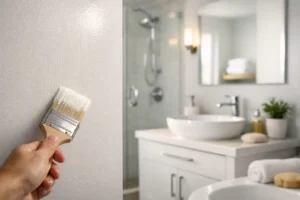
A fresh office can strengthen client impressions, support employee morale, and make a property feel properly maintained. But a painting project cannot come at the cost of lost workdays, blocked access, or frustrated staff. If you are asking how to minimize office painting downtime, the answer starts well before the first wall is covered: plan the work around your operations, prepare the space thoroughly, and choose a crew that manages the details.
Start With an Operations-First Painting Plan
Office painting should be planned around the way your workplace actually functions. A professional contractor should ask about work hours, client appointments, security requirements, shared entrances, parking, HVAC access, conference room schedules, and areas that cannot be closed. Those details determine the right project sequence.
For a small office, painting after business hours or over a weekend may be the most efficient option. For a larger building, a phased schedule is usually more practical. Instead of closing the entire office, painters can complete one department, hallway, floor, or suite at a time while the rest of the operation remains open.
The fastest schedule is not always the best schedule. Pushing too many rooms into one shift can create congestion, limit drying time, and make it harder for employees to work around the project. A realistic plan protects productivity while still keeping the job moving forward.
Identify the Spaces That Need to Stay Open
Before work begins, divide the office into three categories: spaces that can be temporarily closed, spaces that can be painted during off-hours, and spaces that must remain available every day. Reception areas, restrooms, break rooms, server rooms, and primary walkways often need special coordination.
This simple step prevents a common problem: discovering halfway through the project that a room is needed for an important meeting or daily workflow. Share upcoming deadlines, board meetings, visitor schedules, and peak business hours with your painting contractor early. A dependable crew can adjust the sequence before it affects your team.
How to Minimize Office Painting Downtime With Phased Work
Phased painting is one of the most effective ways to keep an occupied office productive. Rather than treating the building as one large job site, the contractor creates contained work zones and moves through them in a clear order.
A typical sequence may begin with low-traffic storage areas or empty offices, followed by conference rooms, private offices, corridors, and common areas. This gives employees time to relocate temporarily and allows management to test the schedule before higher-traffic areas are affected.
For multi-tenant buildings and professional offices, evening work can be especially useful for lobbies, stairwells, hallways, and entrances. These are highly visible surfaces, but they also see constant traffic during business hours. Painting them after closing reduces interruptions and allows coatings more time to dry before people return.
Phased work does require coordination. Employees may need to move desks, hold meetings in alternate rooms, or use a different entrance for a short period. Those small adjustments are usually far easier than shutting down the office for several days.
Choose Coatings That Support Occupied Spaces
Paint selection affects more than color and finish. It can influence dry time, odor, cleanability, and how quickly employees can return to a room. For offices, low-VOC and low-odor coatings are often the right choice because they reduce disruption in occupied areas.
Fast-drying products can also help, particularly for trim, doors, corridors, and rooms that must be returned to service quickly. Still, product choice should fit the surface and the level of wear. A lobby wall, for example, may need a more durable washable finish than a rarely used private office.
Avoid choosing paint based only on the shortest dry time. Proper surface preparation, the right primer, appropriate ventilation, and recommended recoat times all affect the final result. A coating that dries quickly but is applied to an unprepared surface can lead to touch-ups, peeling, or an uneven finish later. That creates more disruption than taking the time to do the job correctly once.
Prepare the Office Before the Crew Arrives
Good preparation saves hours on the job and keeps the work area safer. Your painting contractor should provide clear instructions in advance, but office managers can make a major difference by assigning one point of contact and notifying employees of the schedule.
Desks should be cleared of sensitive papers, small electronics, personal items, and wall decor. Large furniture can often be moved and covered by the painting crew, but removing unnecessary items ahead of time gives painters better access to walls and reduces the chance of delays. If cubicles, filing cabinets, or specialty equipment cannot move, identify them during the walkthrough so the crew can plan around them.
It is also helpful to settle color decisions before the project begins. Waiting on final approval for an accent wall, trim color, or finish sheen can stop progress at the exact moment a crew is ready to paint. Test samples in the actual office lighting and obtain approval from the necessary decision-makers before materials are ordered.
Communicate With Employees and Building Partners
A short, practical notice to staff can prevent confusion. Let employees know which areas are being painted, when access will be limited, where they should relocate if needed, and who to contact with questions. If your office shares a building, notify property management, neighboring tenants, cleaning crews, and security personnel as appropriate.
Communication matters even more when work includes entries, elevators, stairwells, or parking access. Clear signage and protected walkways help customers and employees move through the property safely while painting is underway.
Keep the Job Site Clean and Contained
Painting downtime is not only about how long brushes and rollers are on the wall. It also includes the time employees lose navigating supplies, wet surfaces, dust, and temporary obstructions. Professional containment and daily cleanup make a noticeable difference in an occupied office.
Work zones should be protected with floor coverings, plastic barriers where needed, and clearly marked wet-paint areas. Tools and materials should be organized instead of spreading into active walkways. At the end of each shift, the crew should remove debris, secure supplies, and leave the area orderly for the next business day.
For older buildings or spaces with damaged walls, allow time for repairs. Patching dents, sanding rough areas, treating stains, and correcting failed caulk are necessary for a polished result. The goal is not to hide problems under a new coat of paint. It is to complete repairs efficiently so the finish looks professional and holds up under daily use.
Build Flexibility Into the Schedule
Even a well-planned project can encounter surprises. A hidden wall repair, a delayed furniture move, unexpected moisture, or a last-minute meeting may require a schedule adjustment. The best approach is to set milestones while leaving reasonable room for those issues.
Ask your contractor how they handle change requests, touch-ups, weather-related concerns for exterior-adjacent work, and access restrictions. You should know who will communicate updates and when you can expect each area to be complete. Clear expectations protect both the timeline and the budget.
For offices in Topeka and surrounding areas, Royal Painting helps business owners and property managers coordinate commercial painting around active workplaces. The focus is straightforward: careful preparation, punctual scheduling, clean work areas, and finishes that are ready for employees, tenants, and visitors.
A well-painted office should not feel like a disruption that drags on. With the right sequence, materials, preparation, and professional oversight, your team can keep working while the space takes on a cleaner, more polished look.