A vacant apartment does not generate revenue, and a unit that looks rushed can stay vacant longer than it should. This multifamily turnover painting guide gives property managers a practical way to plan unit refreshes that protect the property, support leasing efforts, and keep the turnover schedule moving.
Fresh paint is one of the clearest signals that a home has been cared for. It covers ordinary wear, brightens rooms, and helps prospective residents picture themselves in the space. The key is not simply applying a new coat of paint. It is completing the work with a dependable process that balances speed, durability, budget, and the condition of each unit.
Start With a Unit-by-Unit Scope
Not every turnover requires the same level of painting. A lightly used unit may need wall touch-ups and a refreshed accent area, while a unit with wall damage, smoke residue, pet odors, or years of layered paint may need more extensive preparation and full repainting.
A walkthrough before scheduling the crew prevents surprises later. Review each room in good lighting and document damage rather than relying on a quick visual impression. Look closely at high-contact areas: entryways, hallways, kitchen walls, bathroom doors, baseboards, and the wall space around light switches. These are often the first places a prospective resident notices scuffs and inconsistent touch-ups.
A useful turnover scope should identify whether the unit needs touch-up work, a full wall repaint, ceiling painting, trim painting, repairs, or stain and odor sealing. It should also note occupied adjacent units, access restrictions, cleaning schedules, flooring replacement, maintenance work, and the target date for leasing photos or resident move-in.
When several units are turning at once, consistency matters. Standardizing the paint colors, sheen levels, and repair expectations makes estimates easier to compare and helps every available unit present a similar level of quality.
Choose Paint Systems Built for Rental Wear
Low-cost paint may look acceptable on day one, but it can create more work at the next turnover. Rental units need finishes that hold up to routine cleaning, resist visible scuffs, and allow maintenance teams to handle small touch-ups without creating obvious flashing or color differences.
For most apartment interiors, a washable eggshell or satin finish works well on walls, especially in hallways, kitchens, and other active spaces. Flat paint can help hide imperfections in low-traffic areas, but it is often harder to clean and may show marks quickly. Semi-gloss is commonly a practical choice for trim, doors, and cabinets because these surfaces receive frequent contact.
Color selection also affects turnover efficiency. Neutral, light-to-mid-tone colors make rooms feel clean and flexible for a wide range of renters. More importantly, using a limited, documented palette allows future touch-ups to match. Keep records of paint brand, color name, finish, and where each product was used. A paint label saved in a maintenance file can prevent costly guessing later.
There is a trade-off. A single standard color simplifies inventory and touch-ups, but a property with updated finishes or premium units may benefit from carefully selected accent walls or upgraded trim colors. The right choice depends on the property’s market position and leasing goals.
Prepare Surfaces Before the First Coat
Painting over damaged or dirty surfaces is one of the fastest ways to create a result that looks unfinished. Proper preparation is where a professional turnover painting project earns its value. It improves adhesion, reduces the chance of stains returning through the paint, and creates the smooth finish residents expect.
Before painting begins, the unit should be empty or protected, cleaned, and checked for repairs. A complete prep process may include:
- Filling nail holes, dents, and minor drywall damage
- Sanding rough patches and failed previous touch-ups
- Cleaning grease, dust, and residue from walls and trim
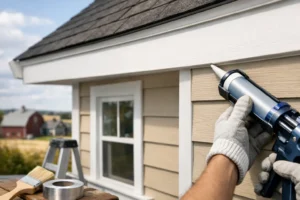
- Caulking small gaps around trim where appropriate
- Priming repaired areas, stains, or color changes
- Sealing smoke, water, or odor stains when needed
Stain blocking deserves special attention. Water stains, nicotine residue, and pet-related odors can bleed through standard paint if they are not properly sealed first. If there is an active moisture issue, painting should wait until the source is repaired. A fresh coat can improve appearance, but it cannot solve a roof leak, plumbing issue, or ventilation problem.
Coordinate Painting With the Rest of the Turnover
Painting is rarely the only task between move-out and move-in. Carpet replacement, appliance service, cleaning, pest treatment, maintenance repairs, and inspections can all compete for access to the same unit. Without a clear sequence, a freshly painted wall can easily be scuffed by another trade the next day.
In most cases, major repairs should happen first, followed by painting, then flooring installation and final cleaning. However, the best order can change. For example, if old carpet removal creates heavy dust or reveals wall damage, it may make sense to remove flooring before final paint work. The important point is to build the schedule around the actual unit condition rather than following a rigid routine.
Give the painting contractor a clear handoff date and communicate when the unit will be ready. Crews work more efficiently when access is confirmed, maintenance work is complete, and personal property or leftover materials are removed before arrival. Reliable scheduling protects your turnover timeline and reduces the risk of avoidable return visits.
Set Clear Quality Standards for Every Unit
Fast does not have to mean careless. A turnover painting job should be inspected with the same attention given to a model unit, especially in the areas prospects see first. Review walls from different angles, check corners and cut lines, and make sure repaired areas blend into the surrounding surface.
A quality walkthrough should also confirm that outlet covers, fixtures, floors, and cabinets are free of paint splatter. Doors should open cleanly, trim should not feel rough, and work areas should be left clean. These details influence how residents perceive the entire property. A tidy, well-finished unit tells a prospect that management pays attention.
It helps to establish a written standard for what qualifies as a paint-ready unit and what qualifies as a completed unit. This reduces uncertainty between property staff, maintenance teams, and painting crews. It also makes it easier to identify recurring damage patterns that may call for a more durable finish or a different maintenance approach.
Know When Touch-Ups Are Not Enough
Touch-ups can be cost-effective, but only when they truly blend. If paint has faded, the original product is unknown, or a wall has multiple patchy repairs, spot painting may stand out more than the damage it was meant to cover. In those cases, repainting the full wall, or sometimes the entire room, produces a more professional result.
Full repainting is often the better choice when units have strong odors, excessive wall damage, bold resident-selected colors, or visible sheen inconsistencies. It may also be the right move for units photographed frequently for online listings. A clean, cohesive finish can support stronger listing photos and reduce the need for repeated cosmetic repairs during showings.
For larger properties, tracking touch-up frequency by unit type can reveal the smarter long-term investment. If a certain hallway or wall color needs constant correction, upgrading the coating or repainting on a planned cycle may cost less than repeated small fixes.
Work With a Painting Partner Who Respects the Schedule
A dependable multifamily painter should provide a clear scope, realistic timing, clean work practices, and communication when unit conditions change. Price matters, but the lowest estimate is not always the lowest total cost if the project causes delays, requires frequent corrections, or leaves maintenance staff with cleanup and punch-list work.
For property managers in Topeka and surrounding areas, Royal Painting approaches turnover work with the same focus used on larger apartment complex projects: precise preparation, durable finishes, punctual scheduling, and a clean final walkthrough. Clear expectations at the start help protect both the unit and the move-in date.
A well-painted turnover unit is more than a cosmetic reset. It gives your leasing team a space they can show with confidence and gives the next resident a better first impression before they unpack a single box.