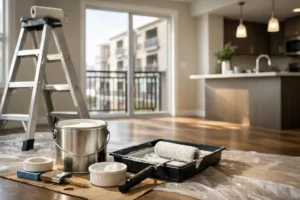
A fresh coat of paint can make a room feel finished, improve curb appeal, or help prepare a rental unit for its next tenant. But before any work begins, you need to know exactly what you are paying for. What does a painting estimate include? A clear estimate should explain the project scope, materials, preparation, labor, timing, and any work that falls outside the quoted price.
The lowest number is not always the best value. One contractor may include thorough prep, quality paint, and cleanup, while another may quote only basic labor and add costs later. A detailed painting estimate helps you compare proposals fairly and gives both you and the contractor a shared plan for the job.
What Does a Painting Estimate Include?
A professional painting estimate is more than a final price at the bottom of a page. It is a written description of the work your contractor plans to complete, the products involved, and the conditions that could affect cost or timing.
For a simple interior room, that may mean walls, trim, ceiling, minor patching, two coats of paint, and cleanup. For an exterior, commercial building, apartment complex, or deck staining project, the scope can be much broader. The estimate should make those differences easy to understand.
Project scope and surfaces to be painted
The estimate should identify the spaces and surfaces included. For an interior project, look for details such as which rooms are being painted and whether the quote includes walls, ceilings, doors, baseboards, crown molding, window trim, closets, or cabinets.
For exterior painting, the scope might specify siding, fascia, soffits, shutters, gutters, porch railings, doors, detached structures, or fencing. A deck or fence estimate should state whether it includes horizontal boards, railings, posts, stairs, gates, and undersides where accessible.
This matters because vague phrases like “paint interior” leave too much open to interpretation. If a surface is important to you, make sure it is listed. Clear scope protects your budget and helps prevent disappointment after the crew arrives.
Preparation work
Preparation is one of the biggest differences between a paint job that looks good for a few months and one that holds up well. Your estimate should explain the prep work planned for the surfaces.
Depending on the project, this can include moving or protecting furniture, covering floors and landscaping, cleaning surfaces, scraping loose paint, sanding rough areas, caulking gaps, filling nail holes, patching minor drywall damage, priming repairs, or pressure washing exterior surfaces.
Not every job needs every step. A newer, well-maintained room may only require light patching and spot priming. A weathered exterior with peeling paint may require considerably more scraping, sanding, and primer. The estimate should reflect the actual condition of the property, not assume every surface needs the same treatment.
It should also distinguish between minor repairs included in the price and larger repairs that may require an additional charge. For example, small nail holes are often part of routine prep, while extensive drywall damage, wood rot, water damage, or failing siding may need separate repair work before painting can begin.
Paint, stain, primer, and other materials
A reliable estimate should say whether paint and materials are included. Ideally, it will identify the product type, finish, number of coats, and color responsibilities.
Interior walls often use a washable finish selected for the room’s use, while ceilings, trim, cabinets, exterior siding, and decks may require different products. The right material is not just a color choice. It affects durability, coverage, cleanability, weather resistance, and the final appearance.
The estimate does not always need to list every brush, roller cover, tape roll, or drop cloth. However, it should make clear whether the quoted price includes paint, primer, stain, caulk, and standard supplies. If there is a paint allowance or a price difference for premium products, that should be stated upfront.
Color changes can also affect the job. Moving from a dark wall to a light color, using bright whites, painting deep accent colors, or covering stained wood may require extra primer or additional coats. A good contractor will discuss those possibilities before work starts rather than treating them as a surprise.
Labor and crew responsibilities
Labor is usually the largest part of a professional painting estimate. It covers the skilled work required to prepare surfaces, apply coatings evenly, protect surrounding areas, maintain a clean worksite, and complete touch-ups.
The estimate should clarify whether labor includes setup, masking, moving standard furniture when agreed upon, daily cleanup, final cleanup, and a final walkthrough. For occupied homes, apartments, offices, and retail spaces, these details are especially valuable. Professional crews should work carefully around the people using the property and leave the space orderly at the end of the day.
If a project requires specialty access equipment, extensive masking, after-hours work, phased scheduling, or coordination with tenants, those needs may affect labor costs. That is not necessarily a red flag. It simply reflects the real effort required to complete the work safely and with minimal disruption.
Timeline, Scheduling, and Project Conditions
A painting estimate should give you a reasonable idea of when work can begin and how long it is expected to take. Weather, drying conditions, product cure times, material availability, and unexpected repair needs can all influence the schedule, especially for exterior projects.
For commercial and multifamily properties, the estimate may also address work hours, unit turnover schedules, access procedures, parking, tenant notices, and whether the work will be completed in phases. These details help avoid unnecessary disruptions to residents, customers, and employees.
Ask whether the timeline is an estimate or a guaranteed completion date. Most contractors can provide a dependable schedule, but no responsible painter should promise conditions they cannot control, such as a week of rain during an exterior project.
Exclusions and Possible Additional Costs
A good estimate is honest about what it does not include. Exclusions are not a sign that a contractor is avoiding responsibility. They are often the clearest way to keep the price accurate.
Common exclusions may include major drywall repair, carpentry, replacing rotten wood, mold remediation, lead-safe work, wallpaper removal, moving large or fragile items, extensive cleaning, or repairs hidden beneath failing paint. Some projects also require permits, lift rentals, or special coatings that are not part of a standard painting quote.
Review this section closely. If you know a wall has water damage or an exterior trim board feels soft, mention it during the estimate appointment. The more accurately the property is assessed early, the less likely you are to face a change order later.
How to Compare Two Painting Estimates
When comparing estimates, avoid looking at the total price alone. Put the scope side by side. Check whether each contractor is painting the same surfaces, using a similar product level, completing the same prep work, and applying the same number of coats.
A lower quote may be appropriate if the work is genuinely smaller. But if one proposal includes wall repairs, primer, two finish coats, trim painting, protection, and cleanup while another simply lists “paint room,” they are not equivalent bids.
Also consider communication and professionalism. Was the contractor punctual? Did they inspect the surfaces carefully? Did they explain potential concerns in plain language? Clear estimates often reflect how the project itself will be managed.
Questions worth asking before you approve
Before signing, ask whether the price includes all paint and supplies, how many coats are planned, what prep is included, and what happens if hidden damage is discovered. You may also want to ask who will be on site, how your home or business will be protected, how cleanup is handled, and whether there is a final walkthrough for touch-ups.
You do not need to become a painting expert to make a confident choice. You simply need enough detail to understand the work, the expected result, and the conditions that could change the price.
For homeowners and property managers in Topeka and surrounding areas, Royal Painting provides clear estimates built around the surfaces, schedule, and finish your project requires. The right estimate should leave you feeling informed before the first drop cloth is laid down – and confident that the finished space will be worth the investment.